
Honour is a private, per-character record of meaningful decisions that help or harm people. A player can see whether their character has High Honour, Neutral Honour, or Low Honour, but never an exact score. Other players cannot inspect an Honour value, profile statistic, or leaderboard position.
An action changes Honour only after an authoritative system confirms a supported outcome. Intent or repetition by itself is not enough.
Honour tiers and Death Cache moods
| Private character tier | Death Cache mood | What the mood means |
|---|---|---|
| High Honour | Holy | The character had High Honour when the cache was created. |
| Neutral Honour | Ordinary | The character had Neutral Honour when the cache was created. |
| Low Honour | Hellfire | The character had Low Honour when the cache was created. |
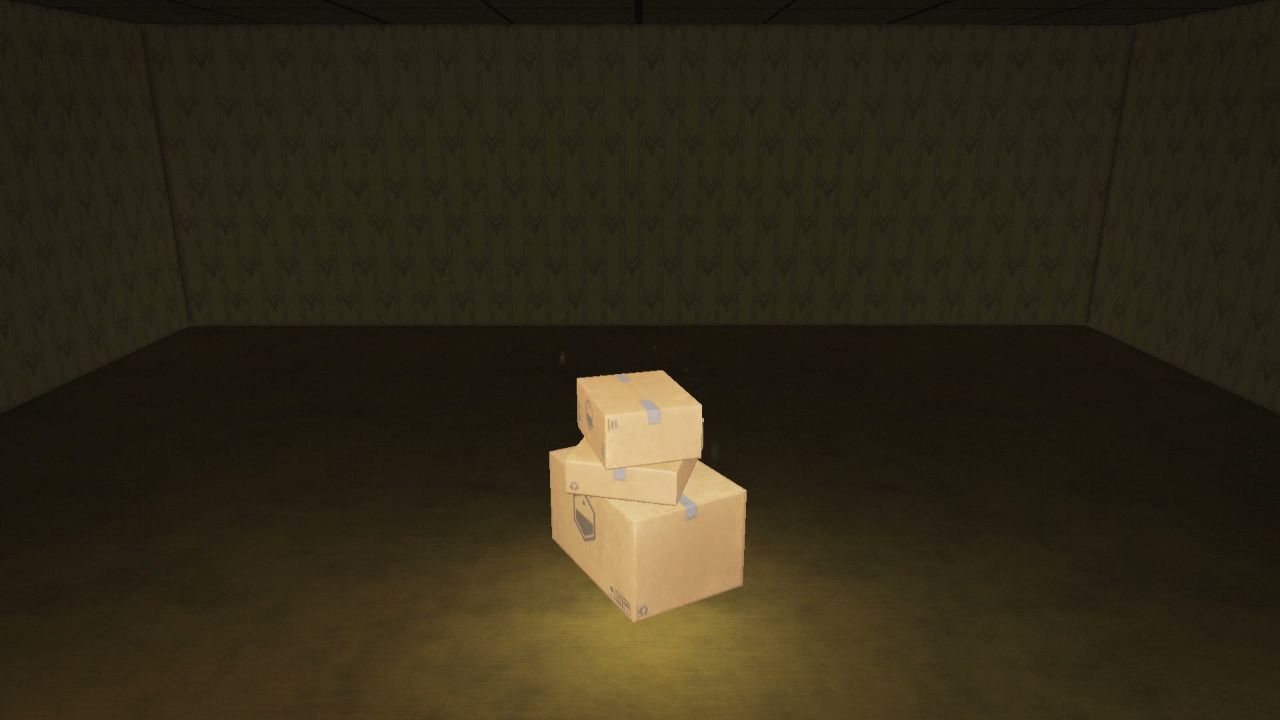
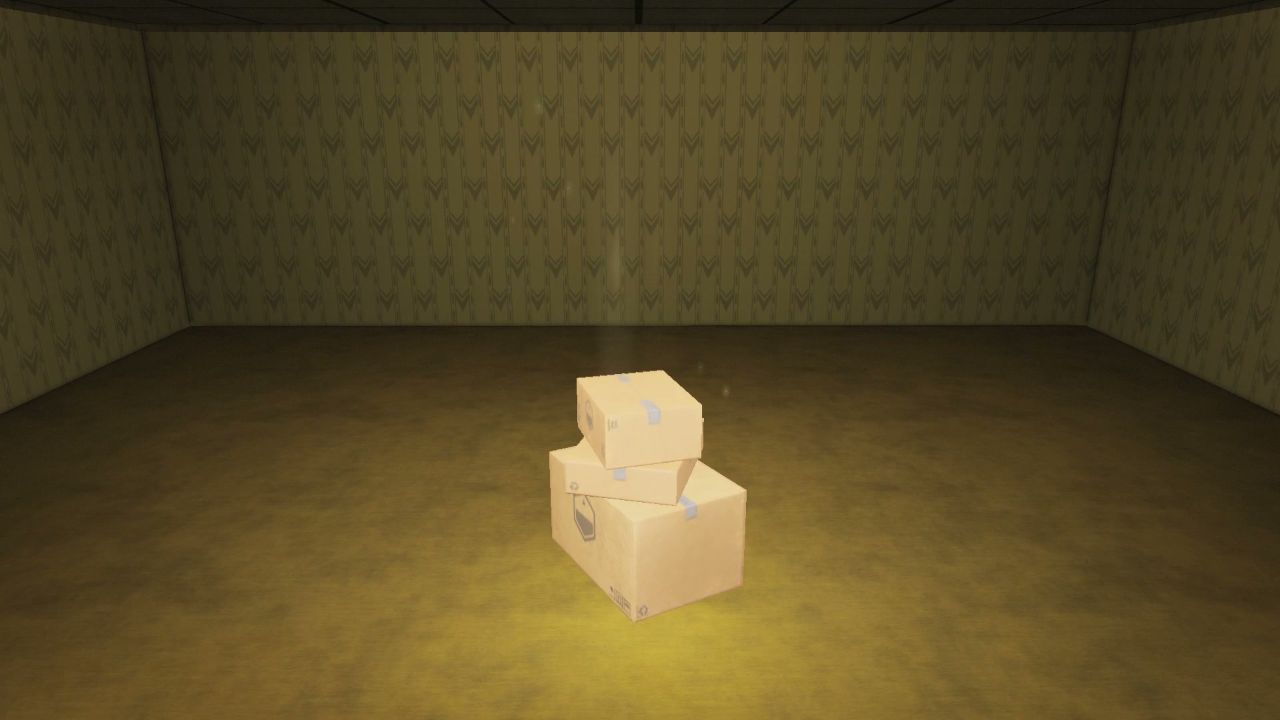
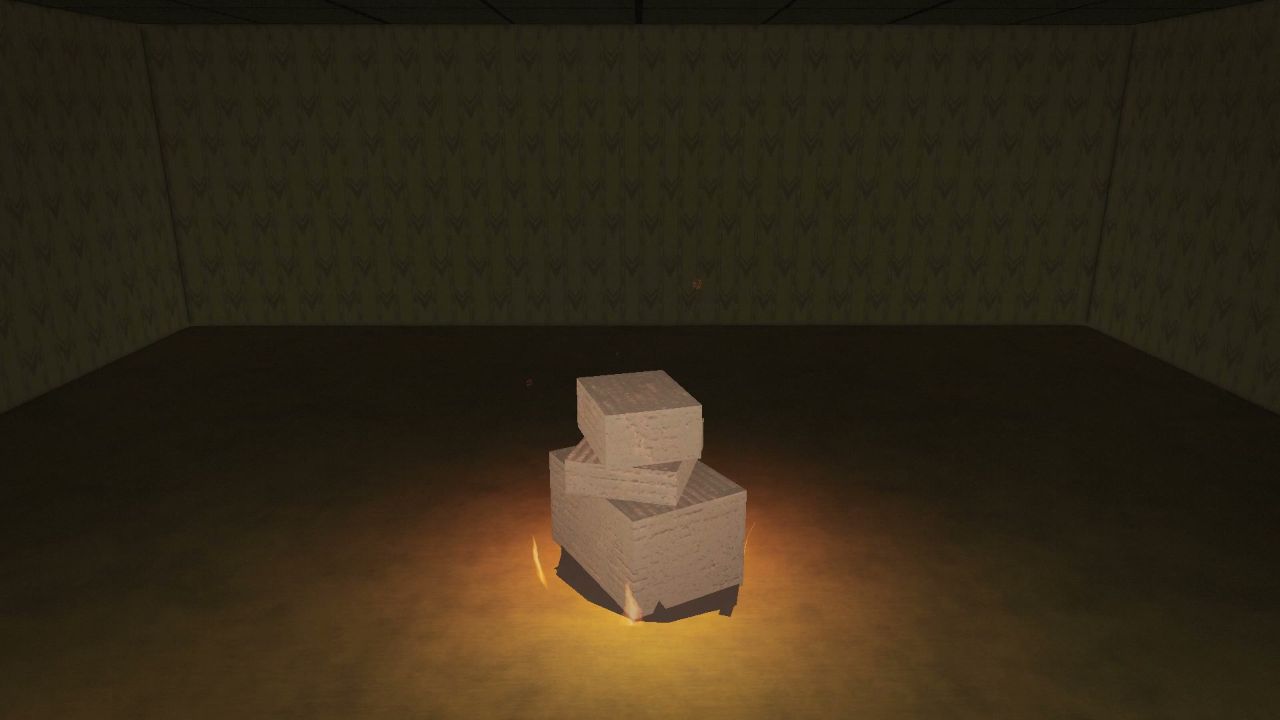
The mood is a snapshot taken when the player dies. Later Honour changes do not alter an existing cache, and no mood changes the cache's contents, ownership, protection, or recovery rules.
When Honour increases
| Supported outcome | When it counts |
|---|---|
| Save a player or friendly NPC | The action removes them from immediate danger or materially prevents their death or injury. |
| Revive an incapacitated player | The revive completes successfully; beginning the interaction is not enough. |
| Protect someone | Drawing danger, shielding them, defending a rescue, or otherwise preventing harm produces a meaningful protective result. |
| Heal or stabilise someone | The aid materially helps an injured or incapacitated person survive. |
| Complete a rescue call | The rescuer reaches and successfully helps the target, including after a cross-server rescue. Accepting the call alone does not count. |
| Complete a good mission ending | The completed outcome is genuinely helpful, merciful, or protective. Accepting a mission or making routine progress does not count. |
| Help a lower-level player | The help meaningfully enables an escape, teaches a system, or completes an objective. |
| Give useful items freely | A needed item is given without payment, coercion, or an arranged reciprocal exchange. |
| Repair sabotage or remove a hazard | The supported repair or removal protects other players or friendly NPCs from real danger. |
| Provide useful guidance | A supported route, warning, or supply marker is actually used to reach safety, aid, or needed supplies. |
| Return a sealed Death Cache | Another player's eligible sealed cache is returned through the official recovery system. |
| Submit a useful player report | Distinct evidence is accepted and staff acts with a warning, restriction, or punishment. See Player Reports and Moderation. |
| Submit a useful bug report | The report materially helps staff verify the bug and the bug is subsequently fixed. See Bug Reports. |
| Complete another supported helpful outcome | A real beneficiary and meaningful helpful result are verified by the authoritative system. |
When Honour decreases
| Harmful outcome | When it counts |
|---|---|
| Abandon an ally or stand by while they die | The player knew about the danger, reasonably could help, had a viable way to intervene, and chose not to. |
| Scam or exploit a trade | The player deliberately manipulates or deceives the other participant. A consensual unequal trade is not automatically exploitation, and the victim is not penalised. |
| Steal Death Cache property | The player takes property that still belongs to another player instead of returning it. |
| Attack a non-hostile player | The attack is unprovoked, especially when aimed at a lower-level or incapacitated player. |
| Commit deliberate friendly fire | Friendly damage is intentional or repeatedly continued instead of being an honest accident. |
| Harm or betray a friendly NPC | A supported outcome records deliberate harm, abandonment, or betrayal. |
| Obstruct a rescue or revival | The player blocks aid, baits danger toward an incapacitated person, or exploits somebody's helpless state. |
| Sabotage safety or create a harmful hazard | The supported action is intended to endanger other people. |
| Complete a cruel mission ending | The completed outcome is destructive, exploitative, or a deliberate betrayal. |
| Submit a malicious report | The player knowingly fabricates a player or bug report, manipulates evidence, or uses reporting to harass somebody. |
| Receive a staff-selected moderation action | Staff can apply an Honour loss with an eligible warning, restriction, temporary ban, or permanent ban. |
| Complete another supported harmful outcome | A real victim or meaningful harmful result is verified by the authoritative system. |
What does not count
| Situation | Honour treatment |
|---|---|
| Routine play | Fair trades, joining or leaving a party, killing ordinary hostiles, accepting a mission, routine mission progress, and merely placing a marker do not grant Honour. |
| A good-faith rescue fails | No Honour is lost when the player was endangered, incapacitated, disconnected, unaware, or had no viable way to help. |
| Legitimate PvP | Self-defence and consensual PvP are not unprovoked attacks. |
| Arranged or repeated farming | Reciprocal gifts or cache returns, alternate accounts, spam, and copycat reports do not earn Honour. |
| Unofficial play | Private or custom servers, bots, single-player activity, and administrative testing do not affect persistent Honour. |
| An honest report is dismissed or duplicates known information | Good-faith mistakes are not malicious, although they do not earn Honour unless they make a distinct useful contribution. |
Staff-reviewed outcomes and appeals
Staff decide which warnings, restrictions, and bans affect Honour. A successful appeal does not automatically alter Honour: staff explicitly decide whether to restore an affected character and whether related report credit remains valid.
Honour earned through reports belongs to one character. If a character was selected when an account-level report was submitted, the eventual reward is locked to that character. If no character was selected, an eligible reward is held after approval until the player makes a one-time choice of receiving character.
Official play and anti-abuse
Persistent Honour changes only through official play and verified staff-reviewed actions. Arranged outcomes, alternate accounts, reciprocal farming, automation, and other attempts to manufacture events do not count. Exact scoring and detection limits remain private.